Permitted Development

Bespoke furnishings

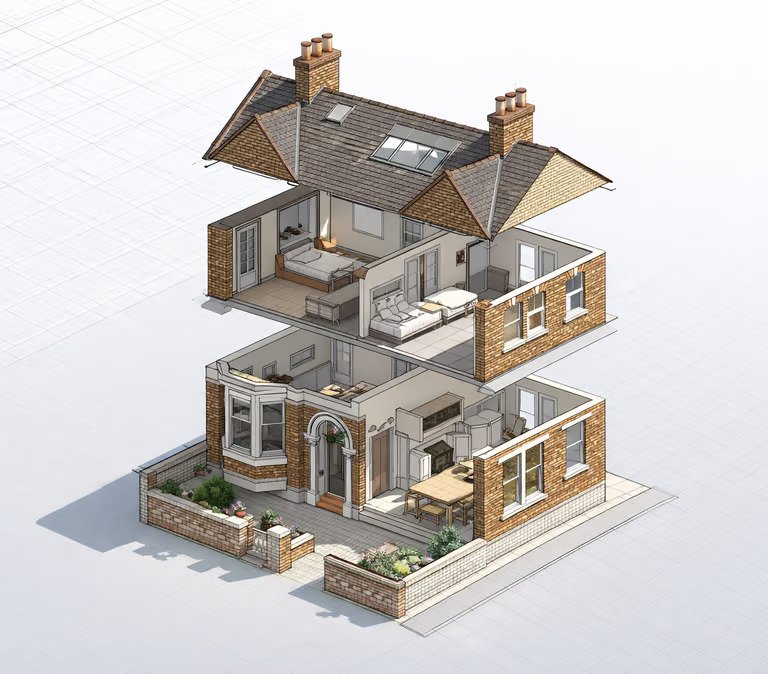
Find out more about permitted development rights, which allow homeowners to make property improvements without a formal planning application. Discover how this system covers extensions, loft conversions, and outbuildings to save you time and money. Learn about critical restrictions in conservation areas and how professional guidance ensures your project complies with all regulations.

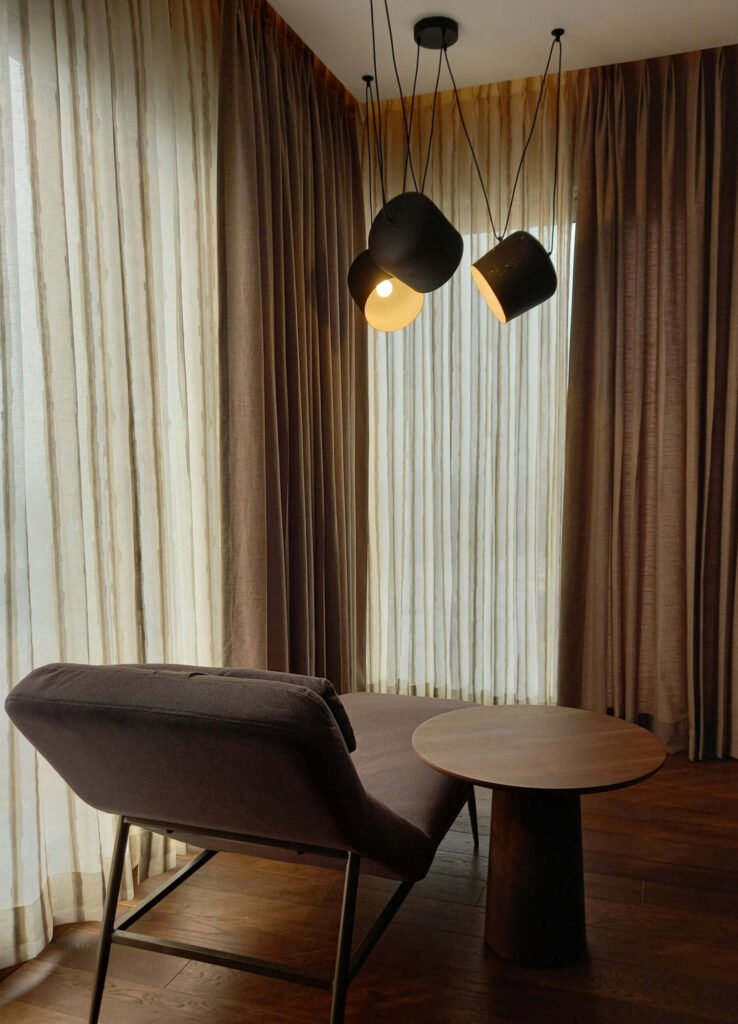
Our bespoke furnishings service is born from a deep understanding of how interiors work, feel, and flow. It allows us to create truly custom pieces, tailored in every detail to suit your lifestyle, your space, and your aesthetic.

The process

Permitted Development and Architectural Design Services

Not every project needs a full planning application. In many cases, homeowners can make meaningful changes to their property under what’s known as permitted development rights, a set of pre-approved allowances built into planning legislation that let you carry out certain works without needing formal permission from your local council.
It’s one of the more useful aspects of the planning system, and understanding how it applies to your property can save you a significant amount of time, money, and effort.

01

What Counts as Permitted Development?

Permitted development covers a reasonably broad range of residential works. Some of the most common include:
Single-storey rear extensions up to a certain depth, depending on whether your property is detached, semi-detached, or terraced. Loft conversions, provided the additional volume stays within set limits and the design doesn’t include certain restricted features like a raised platform or balcony. Outbuildings such as garden offices, sheds, or garages, as long as they sit within the permitted footprint and height limits. Internal alterations and changes of use in some circumstances. Roof additions like rooflights or solar panels, subject to conditions.
The specific rules vary depending on the type of work, the type of property, and its location, so it’s always worth checking carefully before assuming something qualifies.

02

When Permitted Development Doesn’t Apply

Permitted development rights aren’t universal. There are situations where they’re restricted or removed entirely, and it’s important to be aware of these before you start making plans.
If your property is in a conservation area, a National Park, or an Area of Outstanding Natural Beauty, some of the standard permitted development allowances are reduced or don’t apply at all. Listed buildings operate under a separate set of controls and require listed building consent for most works, regardless of whether they’d otherwise fall under permitted development. Some properties also have had their permitted development rights removed through a condition attached to the original planning permission for the property or the estate it sits within. This is more common than people realise, and it can catch homeowners off guard.

03

Lawful Development Certificates

Even when a project clearly falls within permitted development, it’s often worth applying for a Lawful Development Certificate from your local planning authority. This is a formal document confirming that the works are lawful and don’t require planning permission.
It’s not a legal requirement, but it provides a useful paper trail, particularly if you ever come to sell the property or remortgage. Solicitors and buyers will sometimes want to see evidence that works were carried out lawfully, and a certificate gives you exactly that.
I can help prepare and submit a Lawful Development Certificate application on your behalf, making sure the supporting drawings and documentation meet the required standard.

04

How We Can Help

Navigating permitted development isn’t always as simple as it first appears. The legislation has nuance, the rules interact with each other in ways that aren’t always obvious, and what’s permitted in one situation may not be in another. I can review your project at the outset and give you a clear picture of whether it falls within permitted development, where the boundaries are, and what the best route forward looks like. If your project sits outside what’s permitted, I’ll let you know early and we can talk through the planning application route instead. The goal is always to get your project moving in the right direction as efficiently as possible, and sometimes that starts with simply knowing which route you’re on. If you’d like to talk through a project and find out whether permitted development applies, get in touch. I’m happy to have a straightforward conversation about where you stand.


 

Our commitment to excellence

Superior Craftsmanship

We partner with only the most skilled artisans and tradespeople in New York City and from around the world.

High-Quality Furnishings

We source from exclusive design galleries, top private brands and global suppliers.

Investment Value

Our designs are strategically tailored to maximize your property’s appeal in the NYC luxury market.

Best interior designers

From day one, our passionate team is by your side—guiding and advising you through every step of the design journey. We start by getting to know you personally, visiting your space and discussing your wants, needs, lifestyle, values, and aspirations. Based on those insights, we create mood boards and share initial design concepts. Together, we refine the direction, narrowing down design schemes and presenting carefully curated options for your feedback. Once the final design is approved, we bring it to life—managing and coordinating every detail from the first consultation to the final installation, ensuring a seamless and inspiring transformation.

Explore the world of Minnaro Interior Design